
Materials
Types of Textile Webbing and Their Uses
Guide to textile webbing structures, materials and functions used in volume production.
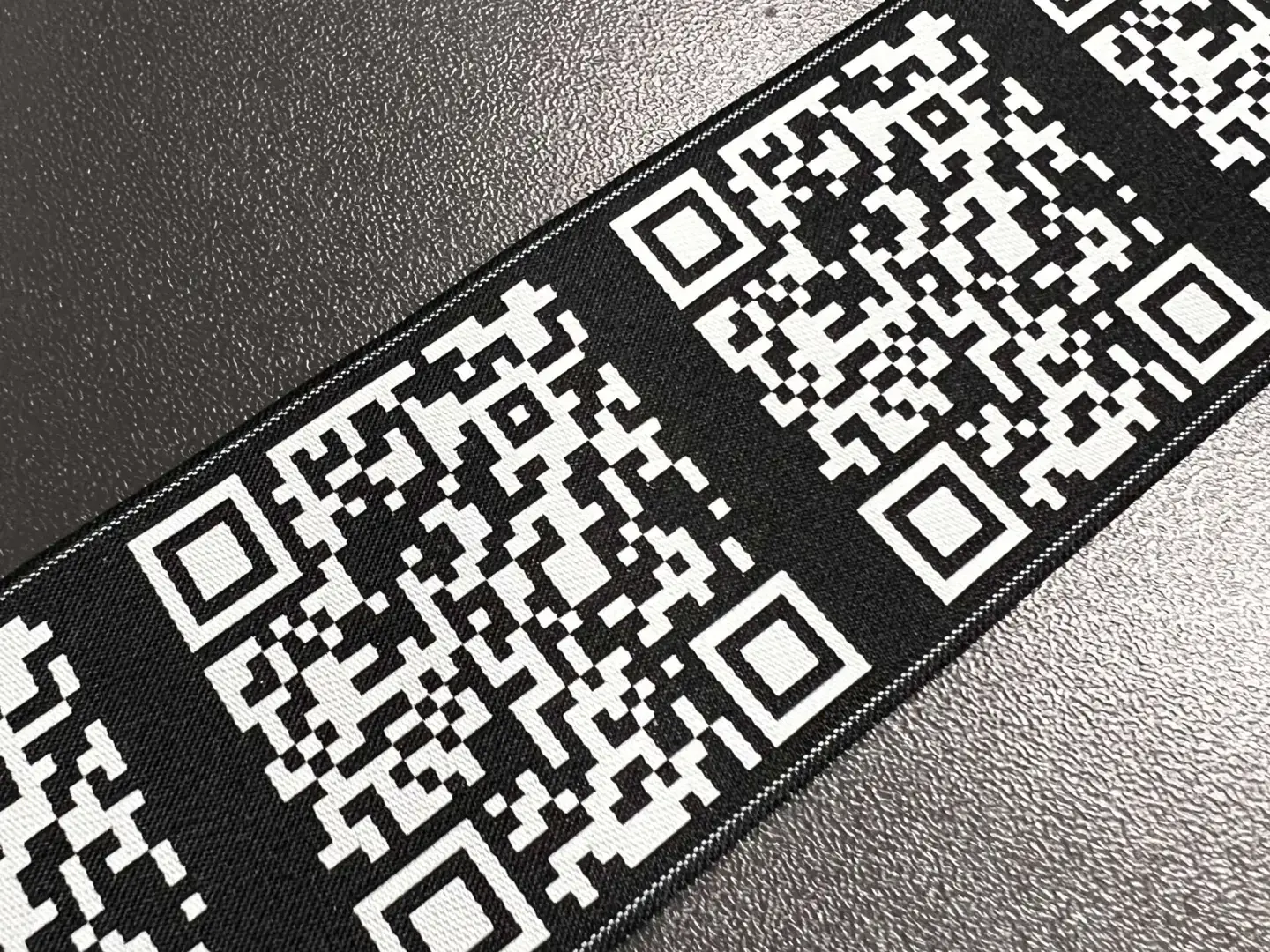
Start with the function of the webbing
Textile webbing can carry the load, strengthen the edge, stabilize the suture, close the product, improve visibility or build brand identification. Trade name is not enough to select — working conditions and method of connection with the rest of the product are important.
With the B2B project, the width, thickness, surface or linear mass, rigidity, expected load, colour and form of delivery should be determined.
Woven, knitted, tricot and braided webbing
Woven webbing has a structured warp and weft structure, so they offer a wide range of possibilities for shaping appearance and stability.
There is no one design best for all products. The same width can behave completely different depending on yarn, density, weave and finish.
- decorative and side-stripe webbing — collection styling and brand identification
- load-bearing and bag webbing — bags, backpacks, handles and fastening systems
- technical webbing — specifications engineered for operating conditions
- webbing for sublimation — a smooth surface for full-colour printing
- jacquard webbing — a pattern or logo woven into the structure
Material changes product behaviour
Polyester is universal, it retains dimension well and can work with sublimation in the appropriate version. Polypropylene has a low density and is sometimes selected for lightweight construction. Cotton gives a natural grip and matt appearance. Aramid fibers are used when the design requires increased resistance, but their use must result from a specific specification.
The name of the raw material does not determine its usefulness. The construction of textile webbing, colouring, additives, humidity, temperature, UV radiation, friction and mounting method are also important.
How to compare samples
Compare the samples under conditions as close as possible to the application: after piercing, with buckle or fittings, after washing or stretching cycle. For carrier and protective components, the range of tests should result from the requirements of the finished product.
The good sample documentation includes the version code, material, width, color, finish method and acceptance date. This reduces the risk of confusion in subsequent batches.
Frequently asked questions
How is textile webbing woven from knitted?
They vary the way they create the structure, and consequently the stability, softness, extensibility and appearance.
Can color be matched to brand identification?
Yes, but the method of colour adjustment and tolerance should be established before production and approved on the sample.
What form of delivery can be planned?
Depending on the process of the recipient, textile webbing can be supplied, among others, on rolls, reels, in sections or as elements of finishing and packing.