
Technology
Technical Webbing for B2B Manufacturing
Technical webbing starts with working conditions and measurable requirements, not with the material name.
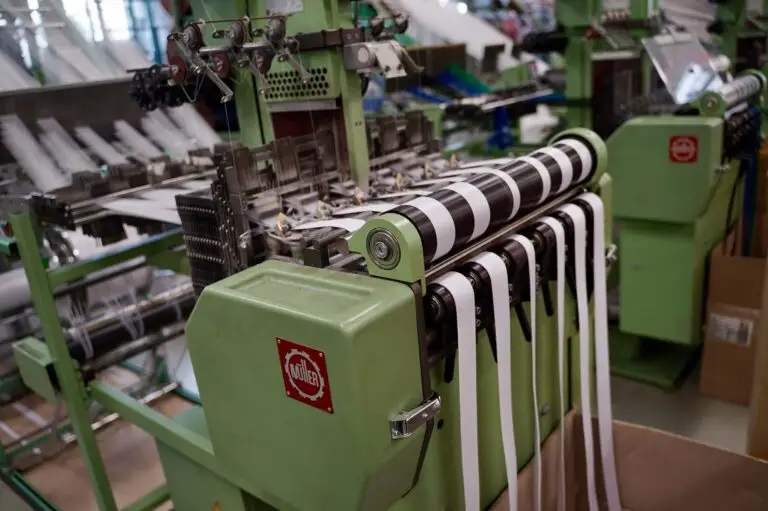
Application defines parameters
Textile webbing to handle, guide, insulation, protective clothing or transport element cannot be selected only in width. It is necessary to describe the direction and value of the load, operating frequency, bending radius, mounting method and the environment.
Safety requirements should be based on the standards and assessment of the finished product. The manufacturer textile webbing can prepare the component for the specified specification, but the qualification of the whole system remains a separate stage.
Material and construction
Polyester, polypropylene, cotton and special fibres differ in density, absorbency, temperature behaviour, chemical resistance and price. Aramids, including materials commonly referred to as Kevlar, are considered with increased thermal or mechanical resistance. Selection always requires reference to a specific environment.
SPLOT affects the length, thickness, rigidity, friction and cooperation with hardware. Changing one parameter can change the behavior of the entire textile webbing, so the sample must be assessed as a set, not just a sample of yarn.
Parameters for specification
Without this method, two laboratories may interpret the same requirement differently.
- Width, thickness, mass and tolerances
- Breaking force, elongation or other load parameters
- Abrasion resistance, temperature, UV, moisture or chemicals
- Colour, marking, reflection or technical design
- Roll, reel, sections, cutting and packing
Validation before volume production
Approve the design and sample first, then perform risk-appropriate tests. If textile webbing works with the buckle, piercing or glue, test the whole connection. For subsequent batches it is worth determining the control plan and the reception parameters.
A good briefing includes a drawing or photo of the application, reference sample, required standards, planned volume and schedule. If part of the data is unknown, indicate function and risk — this is a better starting point than an accidental specification.
Frequently asked questions
Is textile webbing aramid always resistant to high temperature?
The family of aramid fibres has specific properties, but the resistance of the finished textile webbing also depends on the design, additives and conditions. The requirement must be confirmed for a specific product.
Can a technical marking or code be woven?
Such solutions are possible, but the minimum detail and readability depend on the width, weave and yarn.
How to control subsequent parties?
Determine critical parameters, tolerances, measurement method and benchmark. An agreed control plan is needed for higher risk applications.