
Technology
Jacquard Production: From Design to Weave
The mark does not lie on the surface in the ark — it comes from thread and is part of the material’s structure.
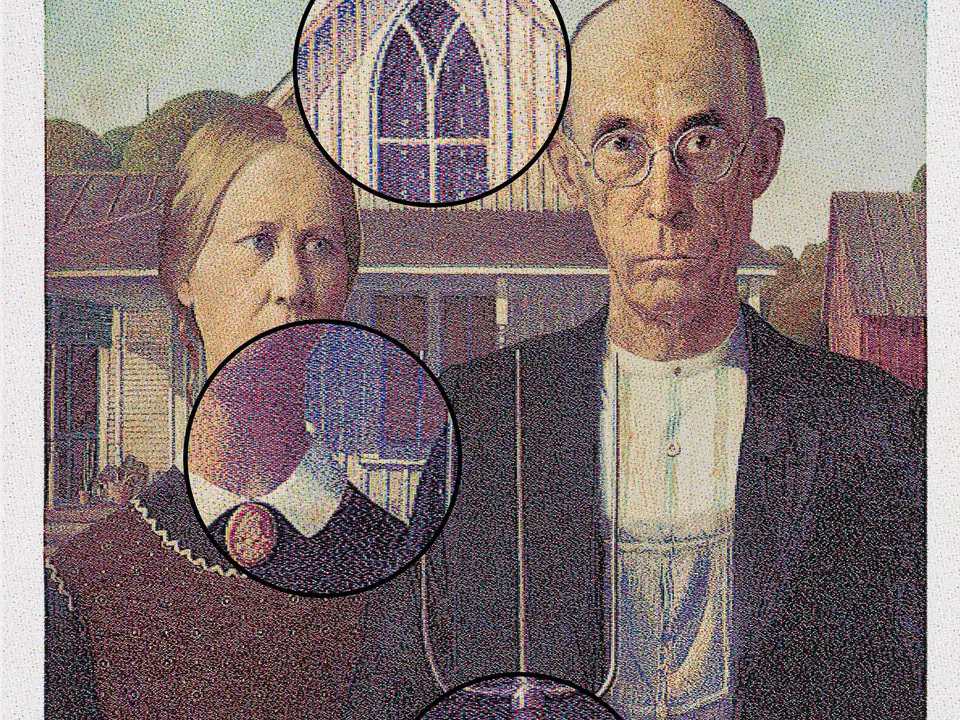
A woven pattern instead of a print
In the jacquard textile product, the logo, text or ornament is created by controlling the thread system. Thanks to this, the mark is an integral part of the material. The solution works in label, textile webbing, elastic tape and emblems when durability, repeatability and textile character of the detail are important.
Jacquard textile is not automatically superior to the print in every application. Printing gives more tonal and photographic freedom, while weaving builds structure, grip and premium effect. The decision is worth basing on design and conditions of use.
Step 1: design review
The manufacturer evaluates the target dimension, line thickness, letter size, colour number and length of the pattern report. The graphics are then translated into a weaving program. In this phase, the background, pattern direction, left-hand appearance and margins needed to cut or fold.
The most common correction is to simplify the smallest elements, increase the contrast or change the proportion. The goal is not to faithfully enlarge the file, but to maintain recognition after weaving.
Step 2: yarns, construction and sampling
The choice of the yarn affects the gloss, softness, thickness and reproduction of the detail. The product design determines the stability and work of the material. In elastic tape, you need to further distort the pattern when stretched and in textile webbing continuous with repeatable report.
The production test allows you to approve readability, colors, grip and dimension. After the program is corrected, a pattern is created to which subsequent batches can be referred.
- Design and programming of the template
- Selection of yarns, colours and structures
- Test and technological corrections
- Series production and repeatability control
- Cutting, folding, folding or other finishing and packing
When jacquard is the right choice
The woven pattern is a good choice when the detail is to remain with the product throughout the lifetime and the material is to be visible part of the brand identification. It is also used in technical markings, repetitive codes, side stripes and sports items.
For valuation, transfer the dimensions, use, projected number of colors, quantity, method of finishing and expected date. If the project is to contain a code or very small text, report it before preparing the program to assess readability.
Frequently asked questions
Can jacquard textile map a gradient?
Jacquard textile works with a limited thread palette and weave structure. The transition effect can sometimes be simulated, but the design should be assessed individually and confirmed by testing.
Could the pattern be on both sides?
The appearance of the right and left sides depends on the design. If both sides are visible, this must be noted in the briefing before programming.
What's a pattern report?
This is the pattern repeat—the interval after which the motif repeats on textile webbing or elastic tape. The report affects the layout of the logo, cutting and wear of the material.